
Search Texas Arrest Records
Texas arrest records are public documents created when someone is booked into a county jail or state facility. All 254 counties maintain their own jail rosters and booking data, while state agencies track inmates held in state prisons. You can search for Texas arrest records online through county sheriff portals, the Texas Department of Criminal Justice offender search, and the Texas DPS criminal history system. This page covers where to find these records, what they contain, and how to request them from the agencies that hold them.
Texas Arrest Records at a Glance
How Texas Arrest Records Work
When an officer arrests someone in Texas, the person goes to a county jail for booking. The jail creates a record at that point. It captures the person's name, date of birth, address, the charges filed, and the bond amount. A booking photo is often taken as well. This record is public under Texas law from the moment it is created. You do not need to be the arrested person to request it.
Texas has 254 counties, each running its own jail under the county sheriff. The sheriff logs all bookings, maintains the jail roster, and is responsible for giving the public access to inmate information. Some counties publish live online rosters that refresh every 15 minutes. Others give out basic information by phone only. The difference usually comes down to the county's size and budget for public records systems. Major counties like Harris, Dallas, and Bexar have detailed online portals. Many smaller counties in west and rural Texas require a phone call.
There are multiple layers to the system. County jails hold people awaiting trial and those serving short sentences for misdemeanor offenses. The Texas Department of Criminal Justice holds people convicted of felony crimes in state facilities. Federal arrests go to the Bureau of Prisons. If you are searching for someone and are not sure where they ended up, you may need to check more than one system before you find a match.
Arrest records are presumed public in Texas under Texas Government Code Chapter 552, the Texas Public Information Act. The law requires agencies to release basic arrest information. That includes the person's name, age, home address, race, sex, date of arrest, and the offense charged. An active investigation does not give police the right to hide who was arrested or what the charge is. Only specific categories like juvenile records or sealed cases can be withheld.
Search Texas Arrest Records Online
Several free and low-cost tools let you search Texas arrest records and inmate data online. Each covers a different part of the system, so knowing which one to use first saves time.
The TDCJ Offender Information Search is the right tool for anyone convicted of a felony in Texas. You can look up current and former state prison inmates by last name, TDCJ number, or State Identification number. The search is free and does not require an account. Results show current facility, offense details, sentence length, and projected release date. This tool does not cover people still in county jails awaiting trial.
The Texas Department of Criminal Justice Inmate Search covers more than 120,000 current TDCJ inmates along with historical records for those released or discharged.

Offender pages show the full offense description, county of conviction, and parole eligibility dates so you can understand the full picture of someone's case.
For statewide criminal history covering arrests and prosecutions, the Texas DPS Crime Records Division runs a name-based search through the Computerized Criminal History (CCH) system. The DPS Criminal History portal costs $3.00 per search and requires creating a free account first. Results cover Class B misdemeanor arrests and higher, showing arrest dates, charges, and dispositions for cases where charges were filed. The system will return no record if the only prior arrests involved Class C offenses.
The DPS Crime Records Division acts as the state control terminal for criminal justice data, managing submission from all local agencies across Texas.
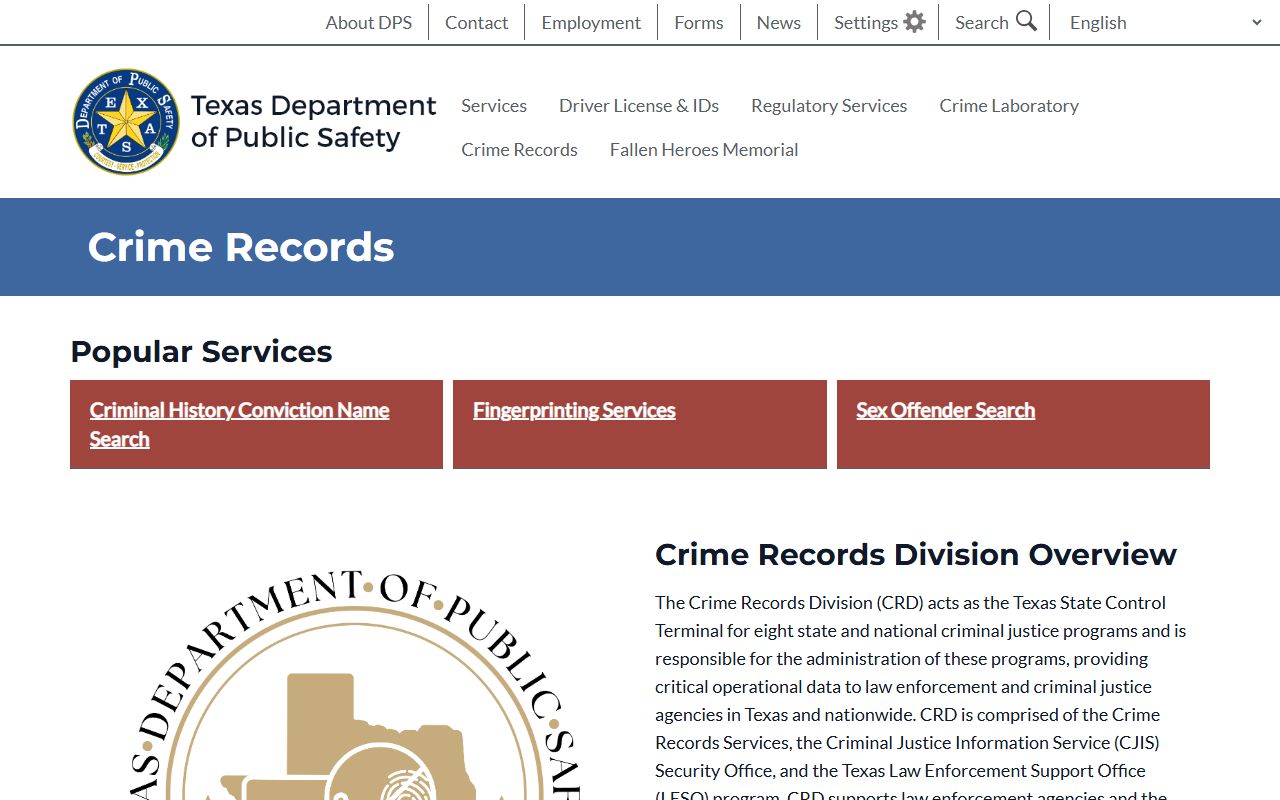
All local agencies submit arrest and disposition data to the DPS Computerized Criminal History system, making it the single most complete statewide source for criminal history records.
VINELink is a free service that tracks inmate custody status across participating jails and prisons in Texas. The Texas statewide toll-free line is 877-894-8463. You can register on the VINELink website to get automatic alerts by phone, text, or email when a specific person is released, transferred, or otherwise changes custody status. This tool works well if you want to monitor someone's status over time without checking manually.
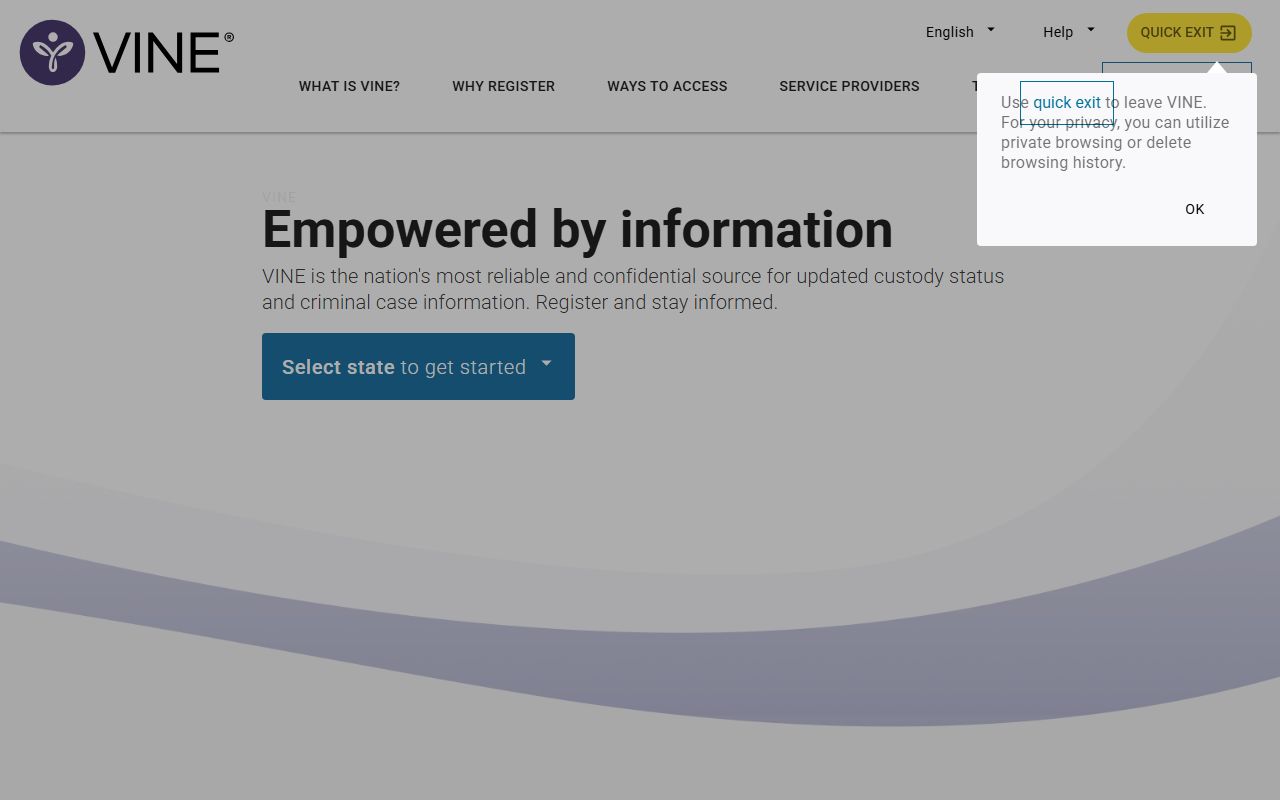
VINELink is funded through the Office of the Texas Attorney General and is available 24 hours a day at no cost to the user.
For people held in federal custody, the Federal Bureau of Prisons Inmate Locator covers inmates incarcerated from 1982 to the present. The search is free and shows current facility, release date, and offense. Federal charges typically involve crimes that cross state lines, immigration violations, or offenses on federal land.
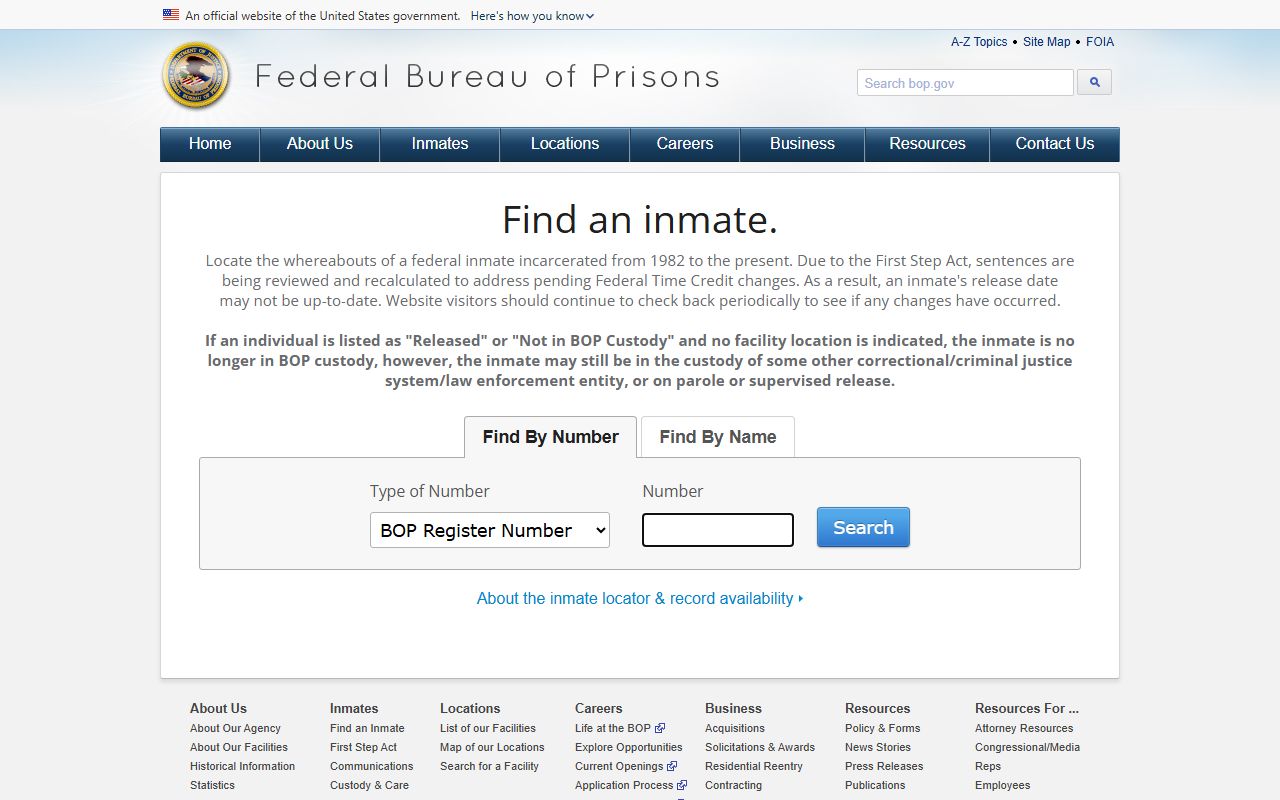
Federal prisoners in Texas are held in federal facilities operated by the BOP, separate from TDCJ state prisons and county jails.
Texas County Jail Arrest Records
County jail rosters show who is currently in custody and provide the fastest access to recent arrest records. When someone is booked into a county jail in Texas, that booking shows up on the roster within hours. Most rosters display the full name, booking date and time, mugshot, charges, and bond amount. Some also show prior booking dates within a rolling window, usually the last seven days.
Each county sheriff operates its own roster system. Harris County, the state's most populated, runs a detailed online jail information portal at harriscountyso.org covering roughly 9,000 inmates on any given day. Dallas County, Bexar County, and Tarrant County each have similarly robust systems. Smaller counties vary widely. Some use third-party platforms like Kologik, Tyler Technologies, or Police to Citizen (P2C) portals. Others post a PDF roster to their website once a day. A few provide information only by calling the jail directly.
The Texas Inmate Search Portal provides access to county jail rosters from around the state in one place. Individual county links are also available at the Texas Jail Directory.
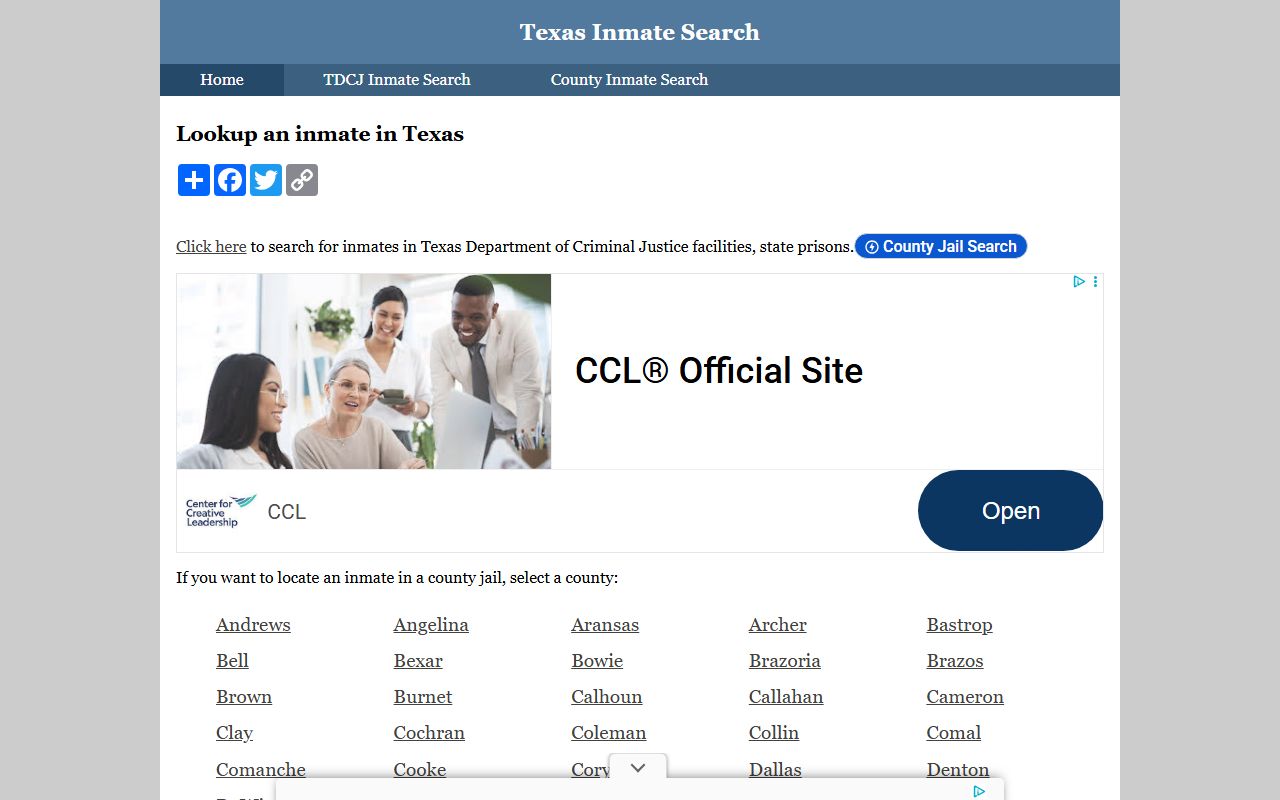
County-by-county links on the Texas Inmate Search Portal connect directly to official sheriff and jail websites or third-party systems operated on behalf of county agencies.
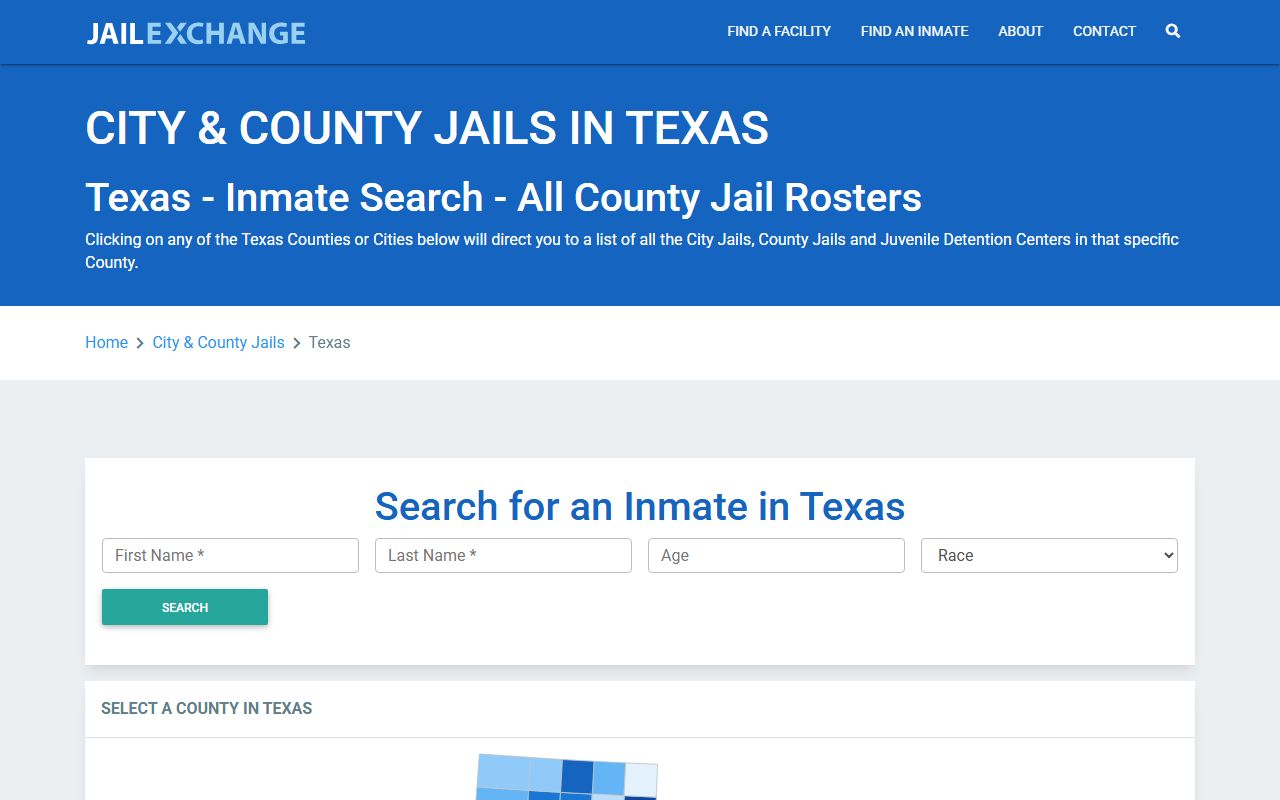
The jail directory covers all 254 Texas counties and lists facility addresses, phone numbers, and direct links to online roster systems where available.
The Texas Commission on Jail Standards oversees all county jails in the state. TCJS sets minimum standards for facilities, staffing, and records management. They also publish inspection reports and non-compliance lists. If you cannot find a county's roster online, contacting the jail directly remains the most reliable fallback. Every sheriff's office is required by law to provide basic inmate information upon request.

TCJS inspects county jails at least once every two years and posts compliance reports publicly on its website.
Note: Jail roster information reflects current custody status only. To find past bookings or formal arrest reports, submit a public information request to the sheriff or the arresting agency.What Texas Arrest Records Include
A jail booking record in Texas captures a specific snapshot at the time of arrest. The standard fields include the person's full legal name and any known aliases, date of birth, race and sex, current home address, the booking date and time, the arresting agency, and each charge with its corresponding statute code and bond amount. Booking photos are part of most jail records and are public in Texas.
An arrest report is a separate and more detailed document written by the arresting officer. It describes what the officer observed, why the arrest was made, any evidence found, and the chain of custody for that evidence. This document is also public in Texas but may be withheld in part when the agency can show that releasing it would interfere with an active investigation. You request arrest reports from the specific law enforcement agency that made the arrest, not the jail. A sheriff's office arrest report goes to the sheriff; a city police arrest goes to that police department's records division.
The DPS Computerized Criminal History (CCH) is a compiled record that aggregates arrest data submitted by local agencies across Texas. Each entry shows the arrest date, the originating agency, the charge, the court case number, and the disposition if the case was resolved. The CCH covers Class B misdemeanor and higher arrests. Cases where charges were never filed or where the arrest was for a Class C offense will often not appear. To view a CCH record, go through the DPS Criminal History portal.
Court case records are separate from arrest records. Once the district attorney or county attorney files a criminal case in court, the court clerk takes custody of those records. Court records include charging documents, bond paperwork, court dates, plea agreements, verdicts, and sentences. The Texas Court Records site and the Texas Judicial Branch provide access to court case information.

Court records are filed by county clerk and district clerk offices and are accessible online for many Texas counties through court-run portals.
Texas Public Information Act and Arrest Records
The Texas Public Information Act, codified at Texas Government Code Chapter 552, is the law that makes arrest records available to the public. It applies to all state and local government agencies in Texas, including law enforcement. Any person can request records. You do not have to be the subject of the arrest. You do not have to state a reason for the request.
Under Section 552.021 of the Act, agencies must make public information available during normal business hours. When you submit a written request, the agency has 10 business days to respond. If they plan to withhold anything, they must ask the Texas Attorney General for a ruling within that same 10-day window. Section 552.108 allows agencies to withhold records that would interfere with an active criminal investigation, but this exception does not cover the basic facts of an arrest. The name of the person arrested, the charges, and the date must be released regardless of whether a case is still under investigation.
The Attorney General's Open Government Division handles disputes when agencies refuse to release records. You can file a complaint if an agency does not respond within 10 days or if you believe they have wrongly withheld records. The AG's office also runs a hotline at (877) OPEN-TEX to answer questions about your rights under the Act.

The Texas Attorney General's Open Government Division publishes a public information handbook and issues binding rulings when agencies and requestors disagree about what must be released.
The Texas Judicial Branch maintains its own open records policy for court records. Criminal case files held by district clerks and county clerks are generally public, though some documents like victim information or sealed filings have restricted access.

Many Texas district and county courts now offer online case lookup tools, allowing direct access to criminal case dockets and filed documents.
Expungement and Nondisclosure in Texas
Texas law gives some people a path to clear or seal their arrest records. The two main options are expungement and an order of nondisclosure. They are not the same thing. Expungement erases the record entirely. An order of nondisclosure seals it from most public access but does not destroy it. Which option applies depends on what happened in the case.
Under Texas Code of Criminal Procedure Chapter 55, a person may file for expungement when the case ended without a conviction. This includes cases that were dismissed, arrests where no charges were ever filed, acquittals after trial, and certain pretrial diversion completions. The petition goes to the court that handled the underlying case. If granted, all agencies that received the arrest information must destroy or return their records. The person can legally state they were never arrested.
An order of nondisclosure applies mostly to deferred adjudication cases. If a person completed deferred adjudication community supervision without a conviction, they may qualify to have that record sealed. Once sealed, most private background check services cannot access the record. However, certain government agencies, criminal justice agencies, and specific licensing boards still retain the right to see sealed records. Nondisclosure is not the same as expungement and does not allow the person to deny the arrest to entities that have legal access.
Not all arrests can be expunged or sealed. Convictions cannot be expunged. Some serious felony categories are excluded from nondisclosure. A family law attorney or criminal defense attorney can advise whether a specific arrest record qualifies and how to file the petition in the right court.
How to Get Texas Arrest Records
Start with free online tools before submitting a formal request. Check the county sheriff's website for a live jail roster. Use the TDCJ offender search for state prison records. Run a name search on VINELink if you want custody status alerts. These free tools cover the majority of searches.
For a formal records request, identify which agency holds the record. Arrest reports go to the law enforcement agency that made the arrest, not the jail. If a Harris County deputy made the arrest, request the report from the Harris County Sheriff's Office. If a city officer made the arrest, go to that city's police department records division. Submit your request in writing, either by email, fax, or in person. Include the person's full name, the approximate arrest date, and the specific records you want. The agency must respond within 10 business days.
Fees vary by agency. Most charge per page for paper copies. Some offer digital records at no cost. The Texas Attorney General's office sets the maximum fee schedule that agencies may charge, so costs are generally modest. If you believe an agency has charged too much or refused a valid request, contact the AG's Open Government Division.
For statewide criminal history, the DPS system is the most complete single source. Go to the DPS criminal history portal, create a free account, and purchase search credits. Each name-based search costs $3.00. You will need the person's full name and ideally their date of birth to get accurate results. Fingerprint-based searches are more accurate but require an in-person visit to an IdentoGo location.
Browse Texas Arrest Records by County
Each of Texas's 254 counties has its own sheriff and jail. Pick a county below to find the local jail roster, sheriff contact info, and how to request arrest records in that area.
Arrest Records in Major Texas Cities
Large Texas cities have both city police departments and county sheriff coverage. Pick a city below to find out where to look for arrest records in that area.